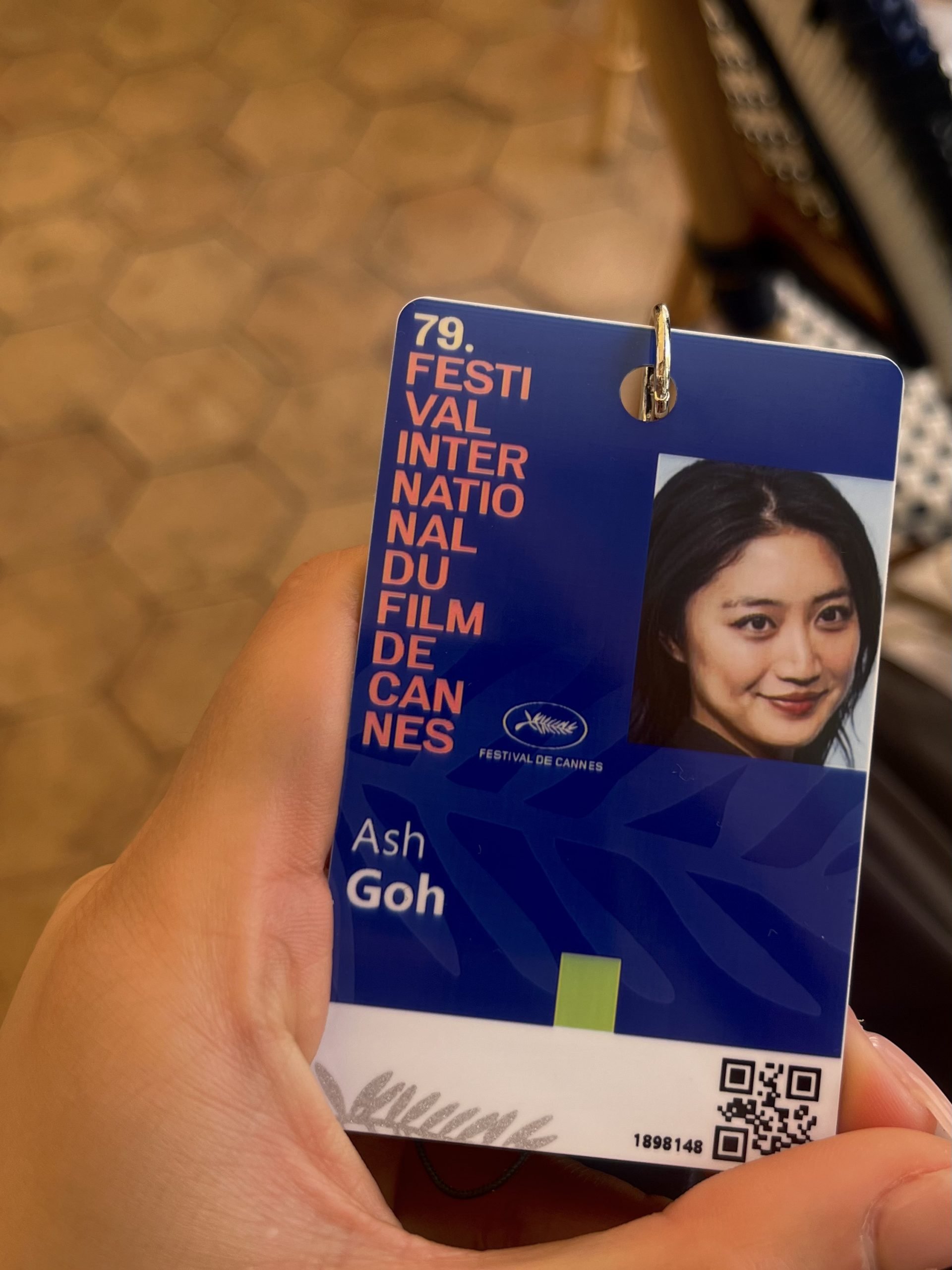
Selected for 2026 Cannes Short Film Corner The Lab: Editing Room, Singaporean filmmaker Ash Goh Hua brought her work-in-progress documentary Untitled Durian Film to the Cannes Film Festival. Splitting her time between Singapore and New York, she reflects on her journey into documentary filmmaking, the value of collaboration between France and Singapore, and why programmes like The Lab are essential for emerging filmmakers from Southeast Asia.
Could you briefly tell us about your journey into documentary filmmaking? What first drew you to this medium?
I first turned to documentary filmmaking because it was the most accessible way to start making films. Fiction often requires much bigger budgets, whereas documentaries allowed me to begin telling stories with the resources I had.
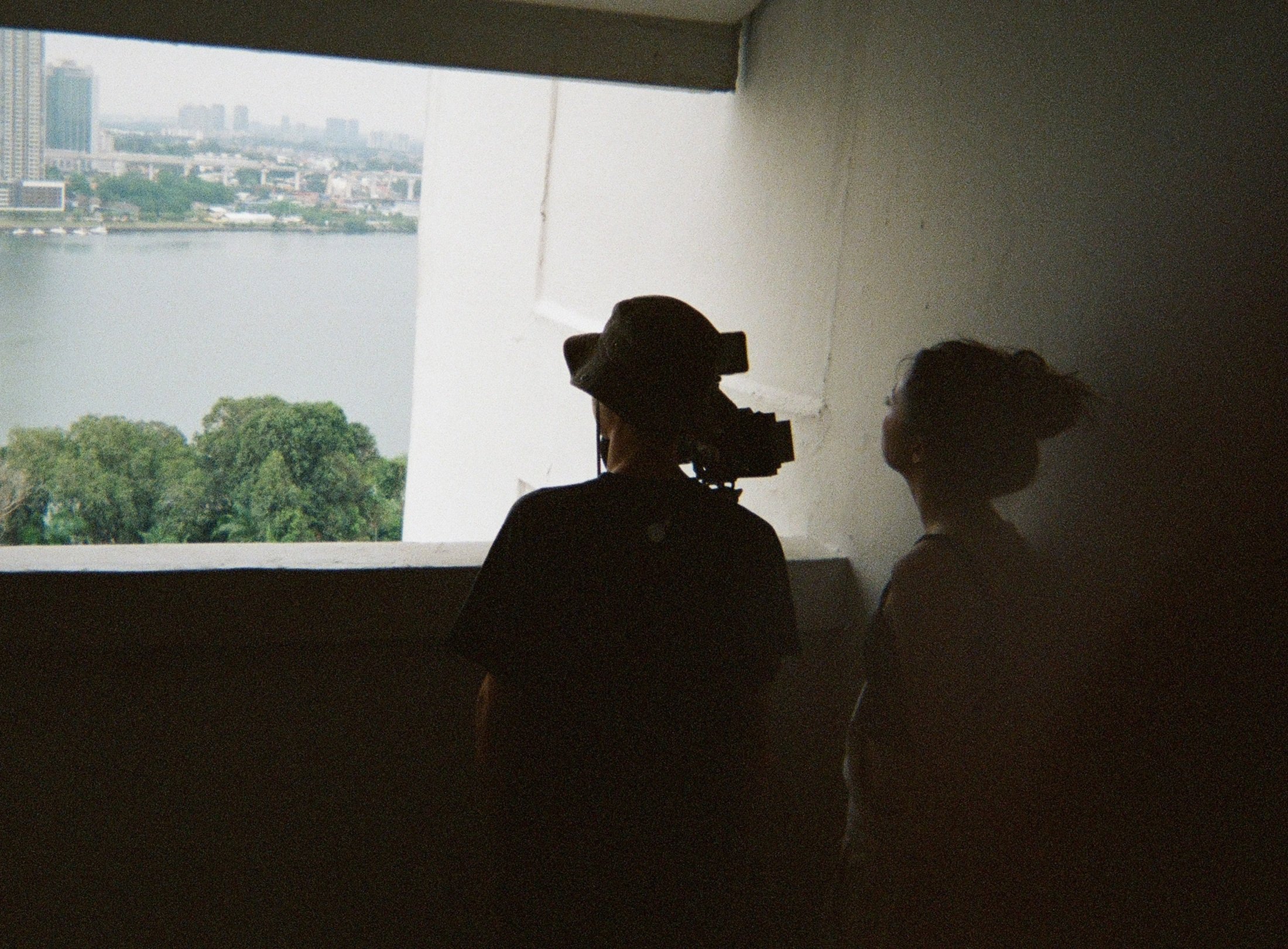
What has kept me in documentary filmmaking is the magic of witnessing life. This kind of image making requires one to be fully present. Mediated by the lens, I am a witness of the world in a way that allows me to reflect on how I relate to it. Today, I make both fiction and non-fiction films, but I still consider myself a non-fiction filmmaker at heart.
I initially left Singapore for personal reasons and eventually settled in New York, where there were opportunities that didn’t exist back home. Now, I split my time between both places and remain deeply invested in Southeast Asian cinema.
What inspired Untitled Durian Film, and what story are you hoping to tell through this project?
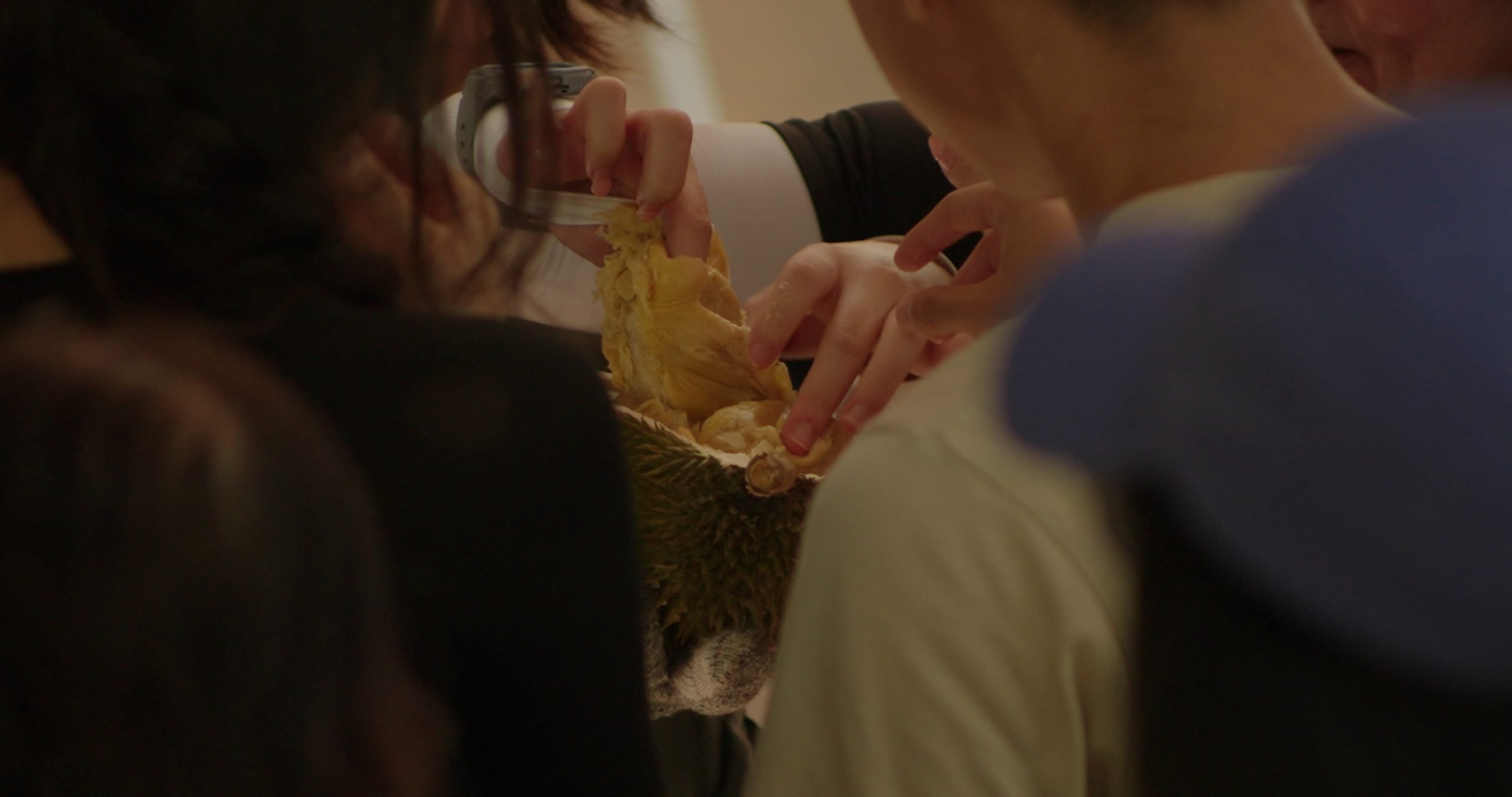
This is a documentary that has continued to evolve as I develop, shoot and edit it. The documentary uses the durian as a lens through which to examine society. It explores the social dynamics surrounding it (consumption, labour, wealth and power) and reveals the invisible networks behind this cultural obsession, particularly in Singapore and Malaysia.
Beyond its social dimension, I also want the film to capture the fruit’s unique visual and sensory experience.
You took part in the 2026 Cannes SFC The Lab: Editing Room. What were your main takeaways from the experience?
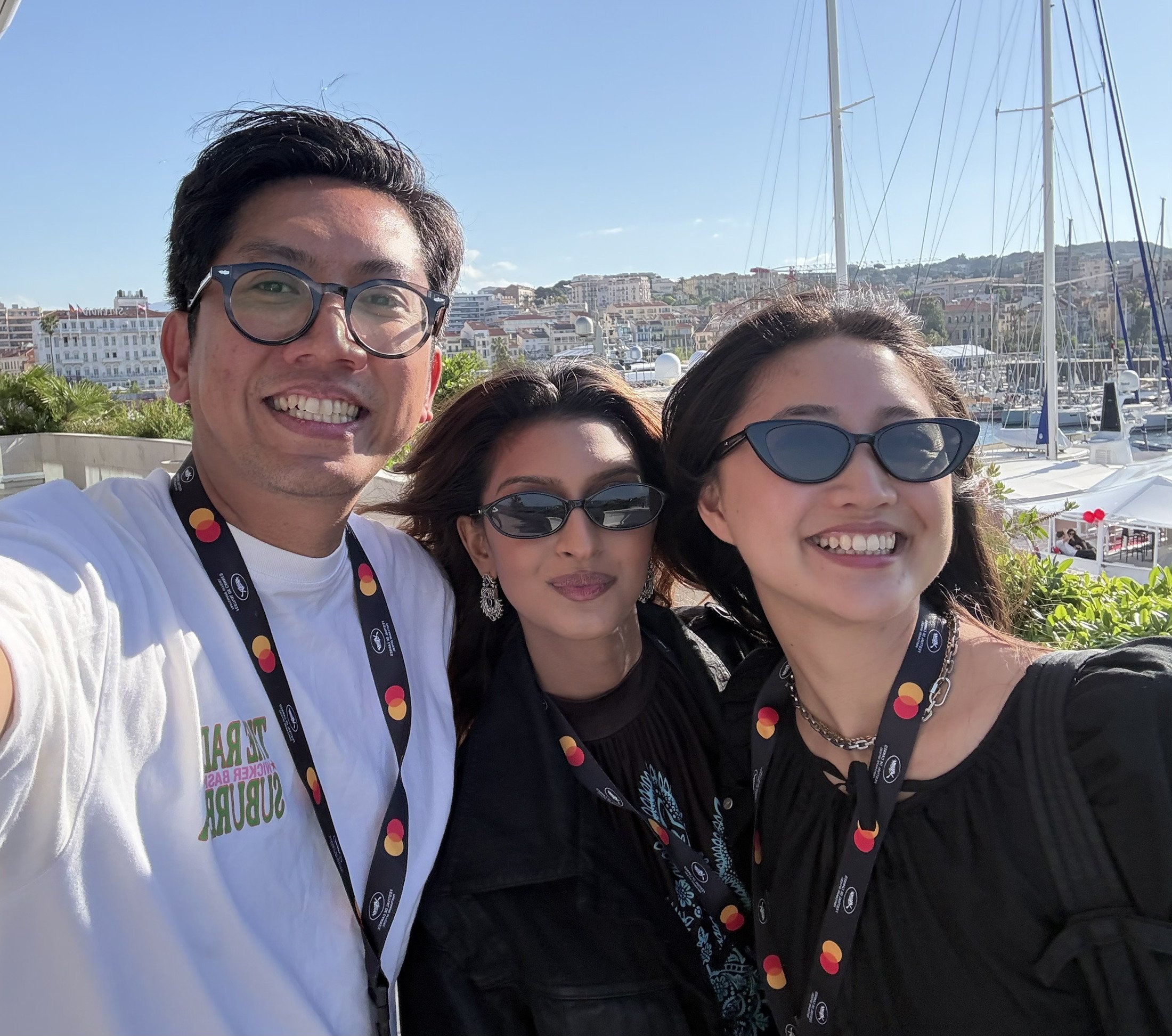
It was my first time in France, and I had a wonderful experience. Beyond discovering Cannes itself, being able to present a work-in-progress at the Festival was an incredible opportunity.
The Lab came at exactly the right stage for the project. We had only shot a few days of footage and the film could still evolve in many different directions. Meeting editors, sound designers, distributors and industry professionals gave me valuable feedback and opened up possibilities I hadn’t considered. Short films often receive less support than feature films, so having a programme specifically dedicated to projects like ours was incredibly valuable.
Beyond the programme itself, Cannes is a place where you meet filmmakers from around the world, build friendships that can last throughout your career, and discover inspiring cinema. Watching films from different countries was just as enriching as the professional meetings.
How important was it for you, both personally and professionally, to present your work in a setting like the Cannes Film Festival?
It truly feels like a milestone in my career. Presenting a project at Cannes also creates opportunities beyond the singular project and have enduring effects in one’s career in the long run, so I’m incredibly grateful to have been part of the programme.
As a Singaporean filmmaker, do you see any connections between French and Singaporean approaches to storytelling or cinema?
French cinema has played such an important role in shaping the language of independent filmmaking around the world! France also has a remarkable ecosystem for co-productions and film funding, which naturally encourages collaborations across borders. These partnerships create a real exchange of ideas and artistic sensibilities, allowing filmmakers from different countries to learn from one another.
What does international exposure through programmes like The Lab mean for emerging filmmakers from Singapore and Southeast Asia?
Cannes is one of the world’s most important film festivals, so simply having a Southeast Asian presence there means a lot. Sometimes people talk about Southeast Asian — or even just Asian— cinema as though it were a single entity, but the region is incredibly diverse. Every country has its own stories, cultures and perspectives — even within each country there are such different stories, cultures, perspectives! For me, it’s important that these nuances are articulated and seen internationally.
What’s next for you after Cannes, and what are your hopes for Untitled Durian Film?
We’re aiming to complete production on Untitled Durian Film this year before moving into the final stages of post-production. At the same time, I’m also developing my first narrative feature film, which will be set in Singapore, while continuing to work on documentary projects.