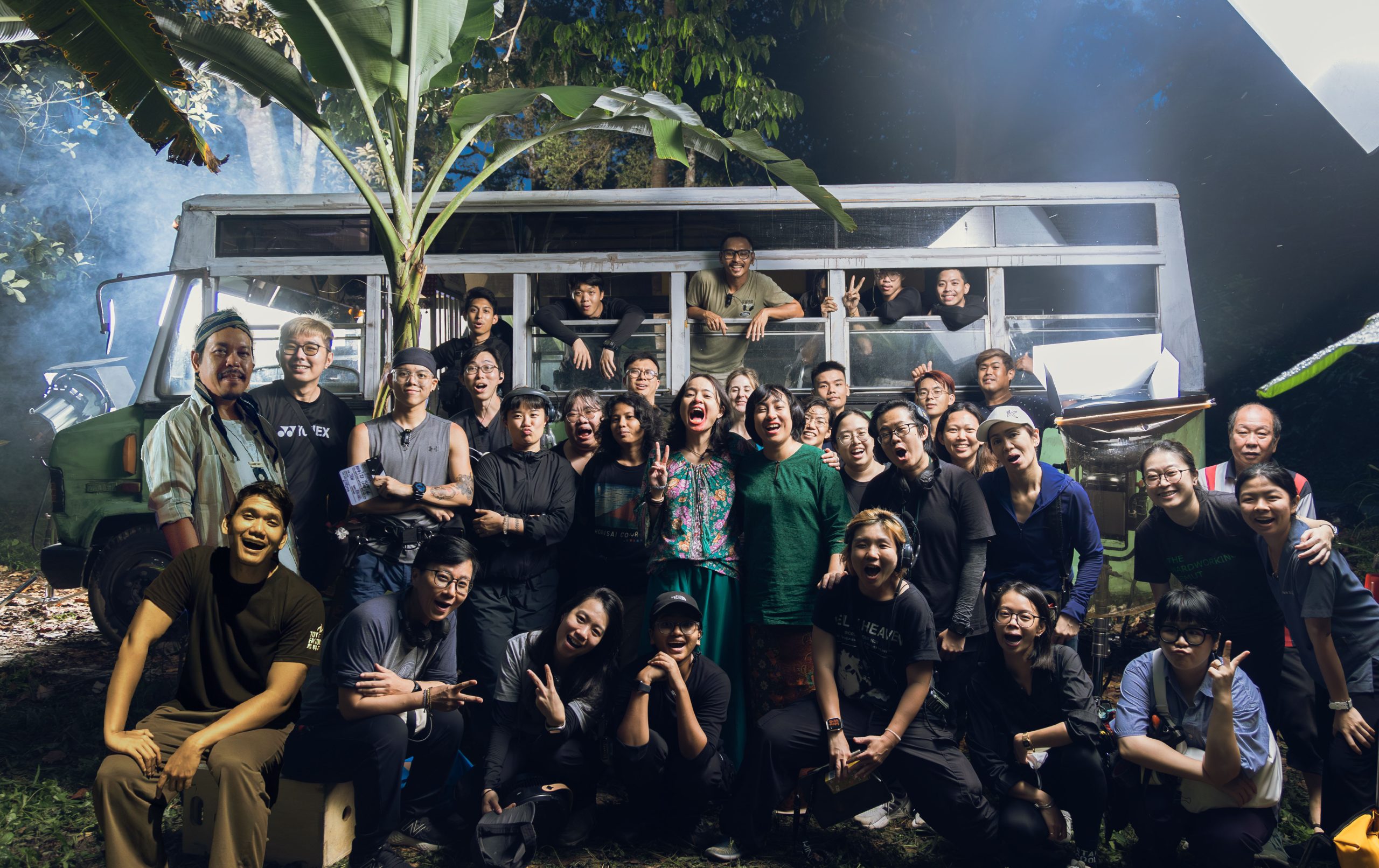
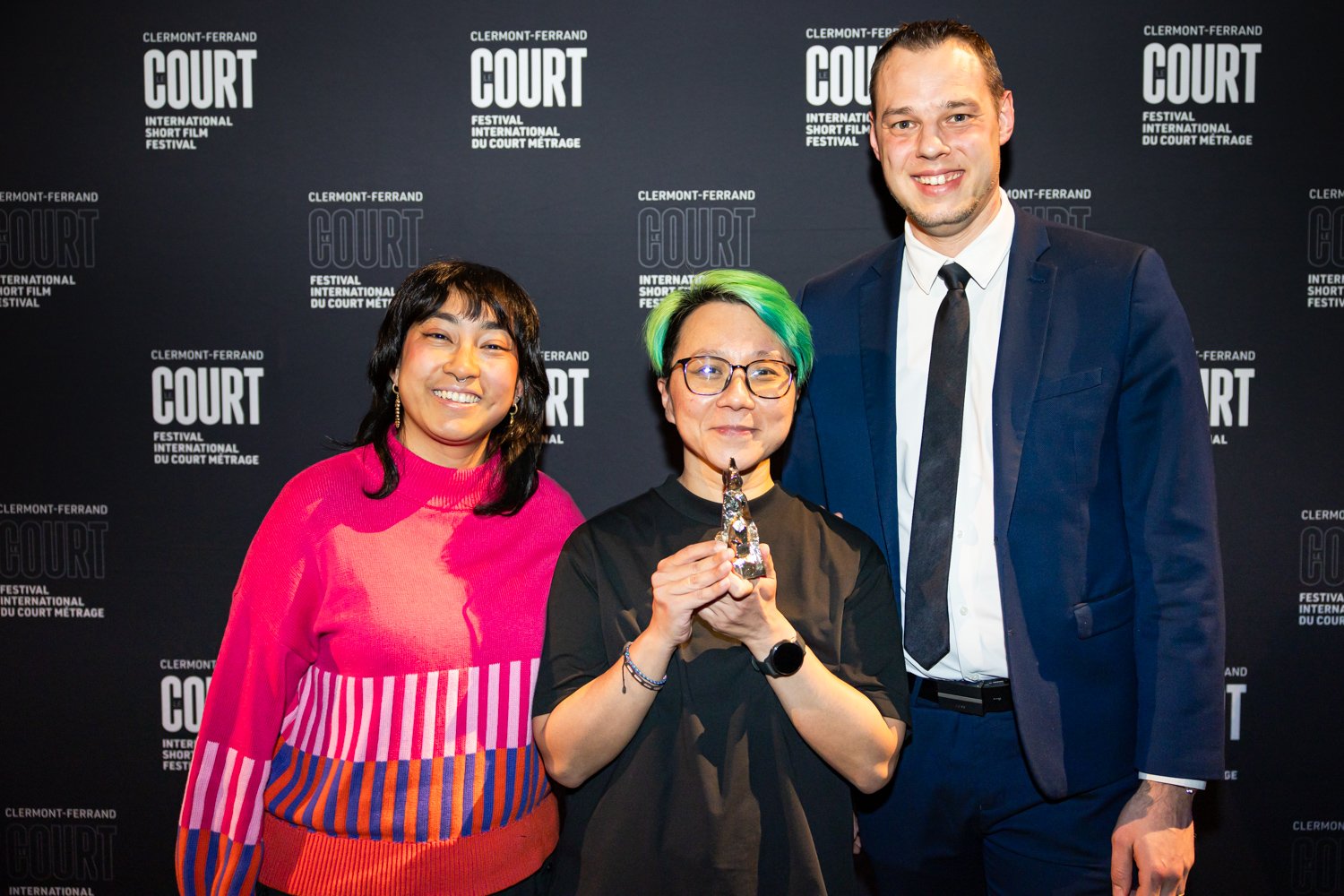
Director Jen Nee Lim and lead actress Tysha Khan, twice awarded at the International Short Film Festival in Clermont-Ferrand for ‘Buah’, speak about rewriting mythology and the journey that brought their film from Southeast Asia to some of the world’s most prestigious screens.
How did your personal and professional paths lead you to cinema?
Jen Nee Lim: I was initially a producer. I produced for more than 10 or 15 years and I really enjoyed the challenge of putting projects together. But deep down, I felt I was in the wrong place. What truly attracted me was the aesthetic aspect of filmmaking.
For a long time, I was afraid to sit in the director’s chair. If a film fails, it’s on you. But eventually I realised that I had to be brave. There were so many things I wanted to talk about, and I knew I was the best person to tell those stories in the way they needed to be told. I pivoted to directing recently, and I’ve now made four short films. It feels like I’m finally where I’m meant to be.
Tysha Khan: I’ve wanted to act since I was four years old. When I was a child, I took speech and drama classes. I would crawl on the floor pretending to be animals. I just knew. In 2016, after being retrenched from a full-time job, I returned to theatre. From 2017 to 2019, I trained in the Intercultural Theatre Institute to become an actor.
Jen and I had met on sets before and we kept crossing paths. When Buah came around, I auditioned, and here we are.
What was the original spark behind Buah?
JNL: I was developing a feature film at the time, but I knew I needed a stronger track record. One of my mentor suggested something interesting: what if I created a short film centred on a key supporting character from my feature: a ghost.
That ghost is the Pontianak, a figure from Southeast Asian mythology. Traditionally, she is a woman who dies during childbirth and becomes a vengeful spirit, haunting men and pregnant women. I wanted to revise that mythology. What if she were not a monster, but a liberator? What if she became a figure for women who do not want to be pregnant?
I often describe Buah as “an abortion drama with a supernatural twist.” It’s a subject we wish we didn’t have to discuss. Especially when many countries are moving backwards in terms of women’s rights.
Tysha, what drew you personally to this role?
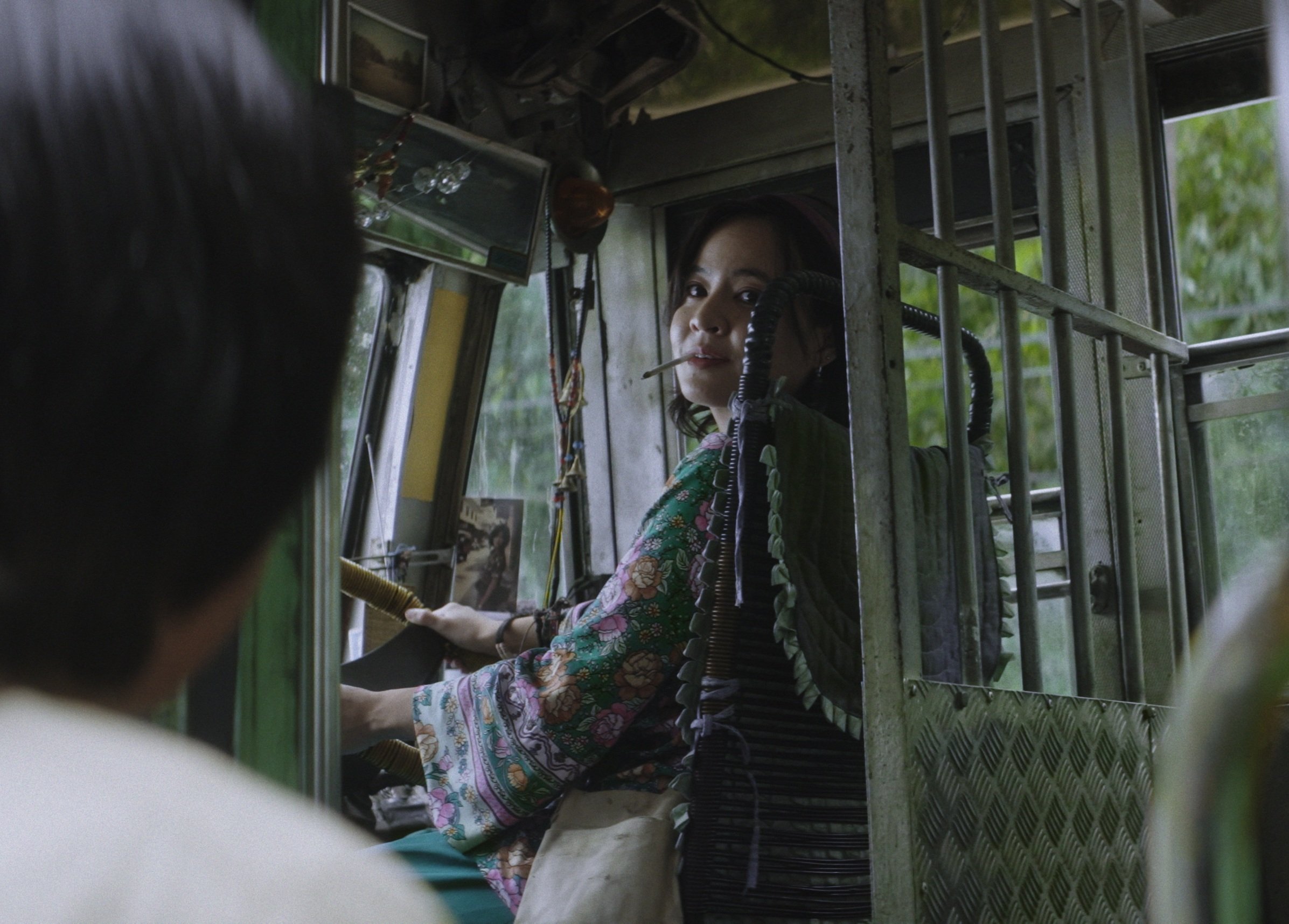
TK: One thing that struck me immediately is that the character never explains why she doesn’t want to be a mother. There’s no justification. She simply doesn’t want to and that’s enough. I loved that. I loved that the film doesn’t apologise for her. She has this fire inside her, and the entire world of the film tries to contain it. But she never backs down.
What part of the character stayed with you after filming?
TK: My acting process involves a lot of research. I look at what the character says, what she doesn’t say, what she does and doesn’t do. Every action builds a clearer picture. Once that picture is clear, I almost step aside and let the character take over my body. I jokingly call it “a possession” but I’m still there, and aware. When Jen says “Action,” it’s no longer Tysha eating a pineapple: it’s the character. What stayed with me is Siti’s sense of conviction. Her inner clarity.
What was your first reaction when you learned the film had won at the festival both International Special Jury Prize and Queer Jury Special Mention?
JNL: For me, just being selected was already a win. Everything else was icing on the cake. Winning at such a major festival was beyond anything I imagined.
It felt like validation for pivoting to directing, for telling stories I care about, and for doing it in a very specific way. Sometimes directing feels like rowing a boat alone. This award felt like wind in my sails.
TK: There is this chinese saying that goes “Ten years of work for one minute on stage.” I started acting seriously in 2016. It took nearly ten years to stand there. It’s surreal. I felt very happy for Jen, because this is a recognition of her being able to achieve her vision.
What does this recognition in France represent for you as Singaporean artists?
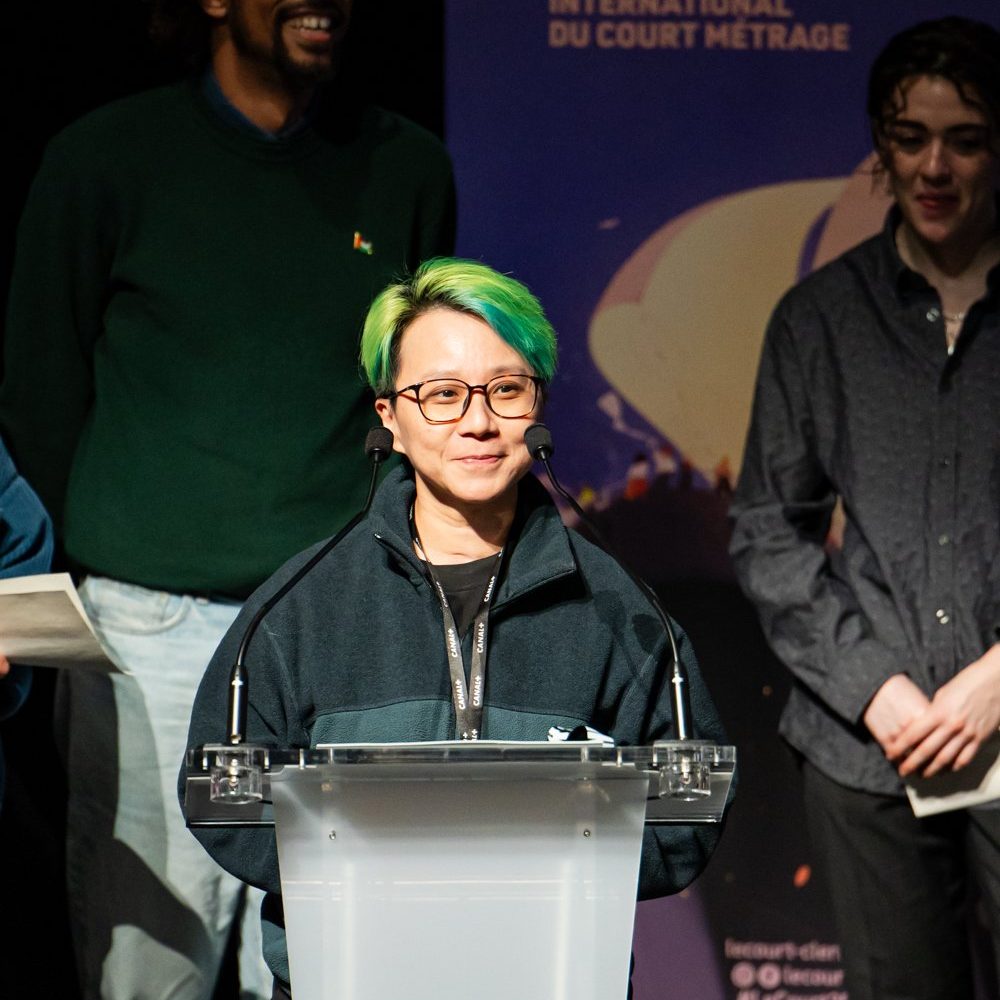
JNL: France is where cinema was born. Through the decades, from the French New Wave led by filmmakers like Jean-Luc Godard, French cinema has constantly pushed the language of film forward. When I used to teach film history part-time, I realised how much innovation came from filmmakers revisiting the past and finding new ways to express themselves. That inspires me deeply.
I often ask myself: how can I expand the language of cinema? How can I be bold? French cinema has historically embraced experimentation.
TK: Films like Un Chien Andalou by Luis Buñuel showed me how powerful editing and image sequencing can be. I’ve also trained in clowning, which has strong roots in France: that helped shape my artistic practice. So being recognised there is incredibly meaningful.
How do you think European audiences connect with Buah?
JNL: The mythology may be Southeast Asian, but the core question, bodily autonomy, is universal. European audiences may interpret the folklore differently, but the emotional journey transcends geography.
What’s next for both of you?
JNL: Buah continues its festival run: we’re heading to SXSW in Texas next. It’s incredible to travel to places I might never have visited otherwise.
I’m currently working on another short film set in modern times: a revisionist western titled Trash. And I’m continuing to develop my feature film, currently titled Unmother, about a woman for whom traditional expectations of womanhood feel deeply unnatural.
Tysha Khan: I’ll be filming the sequel to one of my earlier films this April. I’m also developing a personal project: a small online bookstore I’m hoping to launch this year..
What would you say to audiences discovering your work for the first time?
JNL: Be curious and open. Watch as many kinds of films as you can, even the ones you think you might hate.
Tysha Khan: Be brave. It costs money and time to watch a film, and sometimes you won’t like it. But every time you show up for art, you allow more art to be made. If you want your world to remain vibrant and beautiful, you have to participate in it.